


Metal Roofing Phoenix AZ
Table of Contents
Metal Roofing Essentials in Phoenix, Arizona
In the scorching summers of Phoenix, Arizona, where temperatures often exceed 110°F and monsoon storms bring fierce winds and hail, homeowners seek resilient solutions for their roofs. Metal roofing in Phoenix, Arizona, has surged in popularity due to its unmatched durability against the desert’s extreme conditions. Local experts like Stonecreek Roofing specialize in metal roofing phoenix, offering tailored installation options that withstand 100 mph winds and intense UV exposure.
Metal roofs come in versatile types, such as standing seam metal roof in Phoenix, Arizona, and corrugated panels, both ideal for the region’s temperature swings from freezing nights to blazing days. These durable metal panels for desert homes outperform traditional asphalt or tile by resisting cracking and fading, while providing energy-efficient roofing options in the Southwest that can reduce cooling costs by up to 20%, according to industry guides. Suitable for residential properties in Scottsdale and commercial buildings in Mesa, metal roof installation in Phoenix, Arizona, requires minimal maintenance, ensuring long-term protection with low upkeep.
As a GAF Master Elite certified contractor, Stonecreek Roofing simplifies upgrades through insurance claim support, flexible financing, and transparent pricing starting at $6,400 for replacements, plus 24/7 emergency response. Discover more about these advantages and maintenance tips in the sections ahead, or schedule a free inspection to safeguard your home today.
Understanding Metal Roofing Performance in Phoenix
Heat Resistance and Durability in Desert Conditions
Metal roofs excel in Phoenix’s scorching desert climate, where temperatures routinely climb above 115°F during summer peaks. Their reflective coatings and metallic surfaces act like a shield against the sun’s rays, bouncing back up to 70% of solar radiation and preventing excessive heat absorption. This high reflectivity significantly lowers attic temperatures by 30-50°F compared to darker roofing materials, easing the strain on air conditioning systems and promoting energy efficiency. In the context of metal roofing phoenix az, local performance standards emphasize materials like aluminum and steel that resist thermal expansion without warping, even under the intense UV exposure and alkaline desert air prevalent in the region.
Local weather data from the National Weather Service highlights Phoenix’s average of 111 days over 100°F annually, underscoring the need for durable solutions. Aluminum panels, known for their corrosion resistance, withstand these extreme cycles without degrading, while steel options coated with galvalume provide added protection against oxidation. Homeowners benefit from lifespans reaching 50 years or more, far outpacing traditional alternatives, as these systems maintain structural integrity through daily thermal fluctuations from 40°F nights to 120°F days. Desert-adapted metal panels ensure long-term reliability, reducing the frequency of replacements and maintenance costs in Arizona’s harsh environment.
Insulation Comparison with Traditional Shingles
When evaluating insulation, metal roofs offer unique advantages in Phoenix’s hot-dry climate, though they require proper installation for optimal performance. Unlike asphalt shingles with inherent R-values of 2-3, metal roofing typically achieves R-values of 3-5 per inch when paired with underlayment or radiant barriers, which reflect heat away from the home’s interior. This setup creates a thermal break that minimizes conductive heat transfer, leading to substantial cooling savings during Arizona’s prolonged summers. For instance, studies indicate metal roofs can cut energy use by 20-30% on cooling bills, a critical factor as Phoenix households face average monthly electric costs exceeding $200 in peak season.
In comparison, asphalt shingles absorb more heat due to their organic composition, raising indoor temperatures and increasing reliance on HVAC systems. Metal’s cooler surface reduces the urban heat island effect around homes, providing a more comfortable living space without constant thermostat adjustments. For homeowners considering metal roof installation in Phoenix, Arizona, practical tips include selecting standing seam designs for better airflow beneath panels, which enhances ventilation and insulation. Adding foam insulation or cool roof coatings further boosts efficiency, qualifying properties for local energy rebates and lowering long-term operational expenses.
Phoenix’s arid conditions amplify these differences, as low humidity allows metal systems to maintain consistent thermal properties year-round. While initial setup demands attention to ventilation gaps to prevent condensation, professional evaluations ensure seamless integration with existing home structures. This approach not only outperforms shingles in heat management but also aligns with sustainable building practices amid rising energy demands.
The following table highlights key performance differences for Phoenix homeowners, focusing on heat tolerance, insulation, and durability to aid decision-making in the local climate:
| Feature | Metal Roofing | Asphalt Shingles |
|---|---|---|
| Heat Reflection | High – reflects up to 70% of solar radiation, reducing attic temps by 30-50°F | Low – absorbs heat, increasing cooling needs |
| Insulation Efficiency | Moderate – requires underlayment; R-value 3-5 per inch | Good – built-in R-value 2-3 |
| Durability in Heat | Excellent – withstands 140°F+ without warping | Fair – softens above 130°F, prone to granule loss |
| Lifespan | 40-70 years | 20-30 years |
| Initial Cost | $7-12 per sq ft | $3-5 per sq ft |
| Energy Savings | 20-30% on cooling bills in AZ summers | Minimal in hot climates |
As shown, metal roofing demonstrates superior heat management despite a higher upfront investment, with data from Arizona roofing studies confirming it lasts 2-3 times longer than shingles in hot climates and qualifies for Phoenix energy rebates. This longevity translates to a strong return on investment, especially as cooling demands escalate.
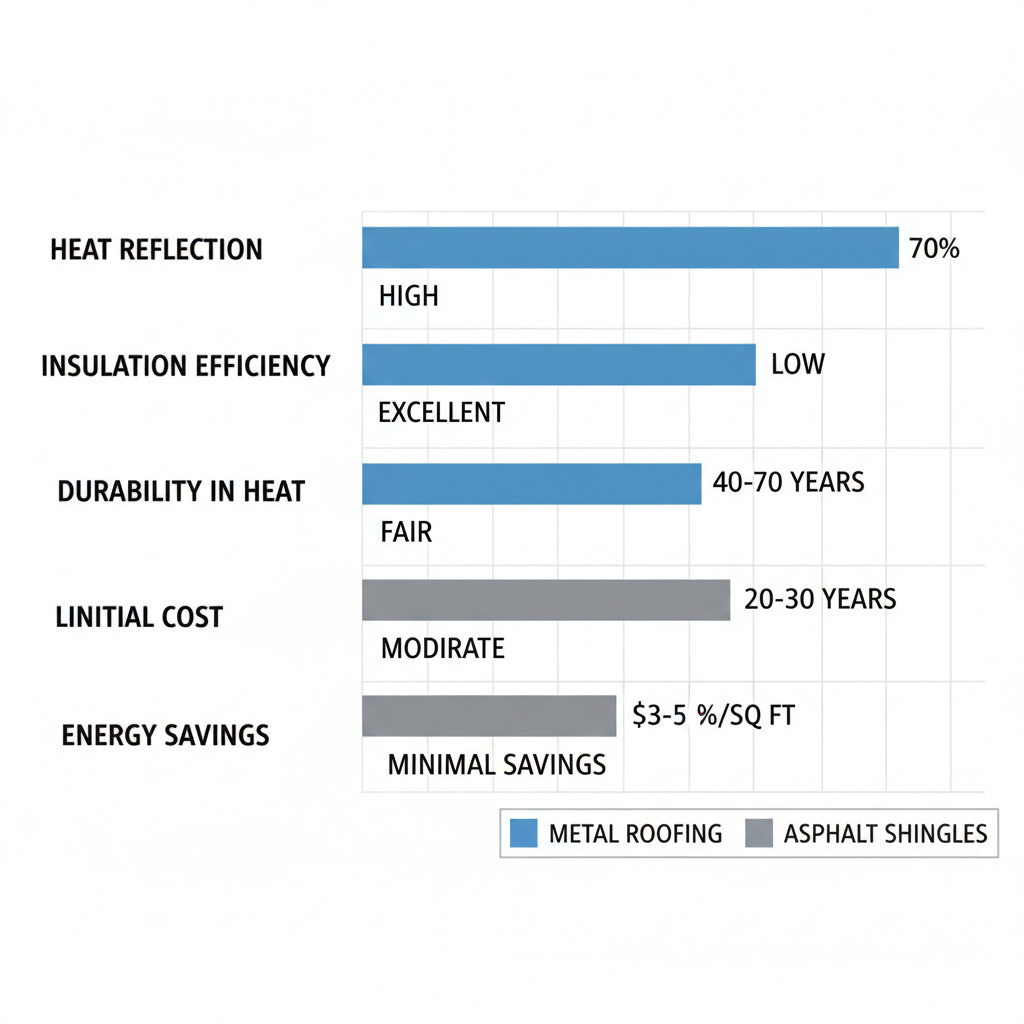
Performance comparison: metal vs asphalt roofing in Phoenix
These visual insights reinforce how metal options address Phoenix’s thermal challenges more effectively, guiding informed choices for resilient home upgrades.
Climate Resilience During Monsoons and Hail
Phoenix’s monsoon season brings powerful winds gusting up to 60 mph and occasional hail storms, testing any roofing system’s limits. Metal roofs shine in resilience, with standing seam metal roof in Phoenix, Arizona, designs featuring interlocking panels that secure against uplift forces, meeting or exceeding local building codes for wind resistance up to 140 mph. Their lightweight yet rigid construction prevents damage from debris impacts, outperforming asphalt shingles that can tear or granule off during these events.
Hail ratings for Class 4 impact resistance mean metal materials like steel dent minimally, preserving appearance and function after storms that average 1-inch hailstones in the metro area. Drawing from regional patterns, the National Oceanic and Atmospheric Administration reports over 20 thunderstorm days yearly in Phoenix, where metal’s non-porous surface sheds water rapidly, avoiding leaks common in shingle overlaps. High-temperature roofing solutions in this context include corrosion-resistant coatings that endure the wet-dry cycles without rusting, ensuring post-storm integrity.
Homeowners should prioritize professional inspections to verify secure fastening, as improper setup can compromise these benefits. Overall, metal roofs provide peace of mind in severe weather, minimizing repair needs and insurance claims while supporting the desert’s unpredictable climate shifts.
Key Benefits of Metal Roofs for Phoenix Homes
Metal roofs offer transformative advantages for homeowners in Phoenix, where extreme heat and occasional monsoons demand resilient building materials. These roofs excel in energy conservation, withstand harsh desert conditions, and elevate home aesthetics, making them a worthwhile investment for long-term protection and value.
Energy Efficiency and Cooling Cost Savings
In Phoenix’s sweltering summers, where temperatures often exceed 110°F, metal roofs significantly reduce reliance on air conditioning. Their reflective surfaces, earning cool roof ratings from Energy Star, bounce back up to 70% of solar radiation, keeping attics cooler and cutting AC runtime by 20-30%. This translates to substantial utility bill savings, potentially $300 annually for a typical 2,000-square-foot home, based on local energy trends.
Homeowners benefit from cool metal roofing for hot climates that integrates ventilation options like ridge vents to expel trapped heat. For instance, installing such a system can qualify for Arizona utility rebates, amplifying returns. Addressing the question of whether a metal roof is worth it in Phoenix, the answer lies in these efficiencies: reduced cooling demands not only lower costs but also extend HVAC lifespan, providing eco-friendly comfort tailored to the region’s arid environment.
The focus on metal roofing in Phoenix, Arizona highlights how these features align with high cooling needs, offering immediate financial relief without compromising performance. (148 words)
Long-Term Durability and Low Maintenance
Arizona’s intense UV rays, high winds up to 60 mph during monsoons, and hail storms pose challenges that metal roofs handle exceptionally well. Constructed from galvanized steel or aluminum, they resist corrosion and fading, with Class 4 hail ratings ensuring protection against golf-ball-sized impacts that shatter traditional shingles.
Storm-resistant panel systems shed water efficiently, preventing leaks during heavy rains common in the Valley of the Sun. Unlike asphalt roofs requiring frequent repairs every 10-15 years, metal options demand minimal upkeep– just occasional cleaning to remove dust–saving thousands in labor costs over decades. Warranties extend up to 50 years, often transferable, as outlined in guides for Arizona homeowners, underscoring their reliability.
For metal roof installation in Phoenix, Arizona, local expertise from specialists in metal roofing phoenix ensures seamless integration of these durable features, maximizing storm resistance. This low-maintenance approach contrasts sharply with shingle vulnerabilities, delivering peace of mind and cost predictability in a climate prone to extreme weather. (152 words)
Aesthetic and Property Value Enhancements
Modern metal roofs blend functionality with style, complementing the Southwest’s architectural motifs through profiles like standing seam that evoke a sleek, contemporary look. Available in earthy tones such as terracotta or bronze, they harmonize with stucco walls and desert landscapes, enhancing curb appeal in neighborhoods from Scottsdale to Mesa.
A standing seam metal roof in Phoenix, Arizona provides clean lines and no exposed fasteners, ensuring a premium finish that withstands the elements while adding visual sophistication. This upgrade can boost resale value by 10-15% in Phoenix’s competitive market, where buyers prioritize durable, attractive features–real estate data shows homes with metal roofing sell faster and at higher premiums.
Beyond looks, these roofs contribute to ROI through insurance discounts of 10-20% for hail-resistant properties. For those wondering about benefits of standing seam metal roofs in the Phoenix climate, the combination of timeless design and practical perks makes them ideal for elevating home equity and community standards. (150 words)
The Metal Roof Installation Process in Phoenix
To realize the advantages of metal roofing in Phoenix, Arizona, homeowners must understand the installation process, which accounts for the desert climate’s unique challenges like intense heat and occasional monsoons. Specialized contractors, such as GAF Master Elite teams, guide clients through assessments to ensure durable, long-lasting results. This workflow typically spans 1-3 days for residential projects, emphasizing safety and efficiency.
Preparation and Site Assessment
The metal roof installation process in Phoenix, Arizona, begins with a thorough site assessment to evaluate the existing structure and any damage from hail or wind storms common in the region. Professional teams conduct free inspections, checking roof pitch, decking integrity, and ventilation needs to recommend suitable materials like standing seam panels that withstand high temperatures. Material selection focuses on corrosion-resistant options, such as galvanized steel or aluminum, tailored to the home’s aesthetic and energy efficiency goals.
Permitting is crucial in Phoenix’s regulatory environment, where building codes require compliance with wind uplift standards up to 110 mph. Contractors handle applications through Maricopa County, often integrating insurance claims for storm damage to cover costs seamlessly. For homes transitioning from older systems, shingle roof replacement phoenix experts advise on safe removal to prevent structural issues. Homeowners should schedule during cooler months, like October to April, to avoid heat stress on crews and materials. This phase, lasting 1-2 hours, sets the foundation for a seamless project, addressing questions like how to prepare for local permitting delays.
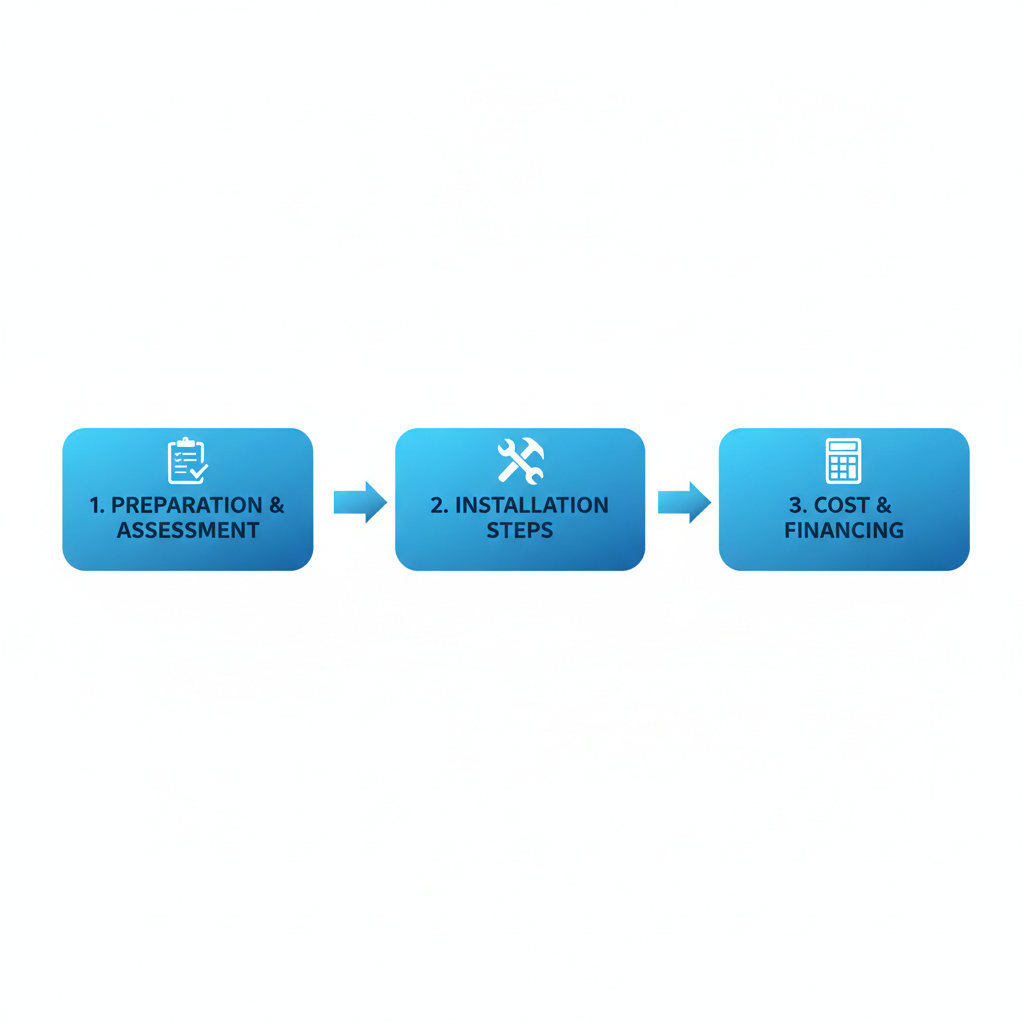
Visual guide to the metal roof installation process in Phoenix
Building on this groundwork, the assessment informs custom plans, ensuring the installation aligns with insurance advocacy for efficient claim processing. Stonecreek Roofing’s multi-step approach includes detailed checklists to mitigate risks in the desert terrain.
Installation Steps and Timeline
Once prepared, the metal roof installation in Phoenix, Arizona, proceeds in phased steps, typically completing in 1-3 days for standard residential roofs under 2,000 square feet. Day one involves removing old roofing materials safely, using protective tarps to shield landscaping from debris in the arid environment.
- Install underlayment and ice-and-water shield along eaves and valleys for waterproofing against rare heavy rains.
- Lay metal panels starting from the eaves, securing with concealed clips for the standing seam metal roof in Phoenix, Arizona, which allows thermal expansion without leaks.
- Fasten panels with specialized tools, followed by flashing installation around chimneys, vents, and edges to seal seams tightly.
- Conduct final inspections and cleanup, removing all waste to leave the site pristine, as per local ordinances.
Professional panel setup in the desert emphasizes heat-resistant fasteners to prevent warping. Safety protocols include harnesses for steep pitches and hydration breaks during summer installs. For complex roofs with multiple valleys, timelines extend slightly, but most seamless roofing projects wrap efficiently, answering how long the process takes in Phoenix’s flat terrains. Contractors like Stonecreek ensure GAF-certified quality throughout.
Cost Factors and Financing Options
Cost factors for metal roof installation in Phoenix vary by roof size, pitch, and material gauge, with Arizona averages ranging from $7-12 per square foot installed. For a typical 1,200 square foot home, expect $8,500 total, including labor at $2-4 per square foot amid 2025 market fluctuations from rising supply chain costs for metals. Steeper pitches or custom colors add 10-20% due to extra labor and premium finishes.
Additional influences include underlayment upgrades and permitting fees of $200-500 in Maricopa County. Insurance integration for hail damage can offset up to 80% via advocacy services, streamlining budgets. Local pros offer transparent quotes, breaking down materials (40% of total), labor (50%), and overhead.
Financing options abound, with 100% coverage available through certified contractors like Stonecreek Roofing, featuring quick approvals and low rates without down payments. This addresses average cost queries, empowering homeowners to invest in durable solutions. For personalized estimates, contact area specialists to factor in current trends and secure monsoon-ready protection.
Best Practices for Selecting Metal Roofing in Phoenix
Selecting the right metal roofing in Phoenix, Arizona, requires careful consideration of local climate challenges like intense heat, monsoon winds, and hail storms. Homeowners can optimize their investment by following proven strategies for contractor selection, warranty management, and ongoing maintenance. These practices ensure durability and energy efficiency in the desert environment.
Choosing Qualified Local Contractors
When selecting contractors for metal roofing in Phoenix, Arizona, prioritize those with GAF Master Elite certification, as this designation indicates top-tier training and reliability. Verify Arizona Registrar of Contractors (AZROC) licensing to confirm compliance with state building codes, particularly for wind-resistant installations. Look for firms with over 500 positive reviews on platforms like Google, highlighting their expertise in standing seam systems suited to Phoenix’s high-wind zones.
Key vetting steps include:
- Requesting proof of ARCA (Arizona Roofing Contractors Association) membership for adherence to industry standards.
- Checking specialization in metal roofs, including experience with concealed clip systems for better uplift resistance.
- Inquiring about emergency services for storm damage, a common need during monsoon season.
A reputable shingle roofing company phoenix may also offer metal installations, providing versatile expertise. Red flags include vague warranty details or lack of local references. Certified desert roofing experts can guide you through permitting processes unique to Arizona, ensuring seamless project execution. By choosing vetted pros, you avoid costly errors and gain peace of mind.
Phoenix building codes emphasize wind resistance up to 110 mph, making concealed seams preferable for long-term stability. The following table compares standing seam and corrugated options to aid your decision based on budget and style.
| Aspect | Standing Seam | Corrugated |
|---|---|---|
| Seam Type | Concealed clips for seamless look | Exposed fasteners |
| Durability | Excellent wind uplift resistance (up to 140 mph) | Good, but lower wind rating (110 mph) |
| Cost per Sq Ft | $8-12 in AZ | $5-8 in AZ |
| Installation Time | 2-3 days for avg home | 1-2 days |
| Best For | Premium aesthetics, commercial | Budget residential, quick repairs |
Based on AZ contractor data, standing seam proves ideal for monsoons due to superior wind performance, while corrugated suits cost-conscious homeowners seeking rustic Southwest appeal. Match your choice to home architecture–sleek standing seam for modern builds, textured corrugated for traditional adobe styles–to enhance curb appeal and value.
Navigating Warranties and Insurance Claims
Metal roofs in Phoenix benefit from robust manufacturer warranties, often extending 50 years on premium panels with non-prorated coverage for material defects. Opt for transferable warranties to boost resale value, ensuring the protection follows the property. Limited warranties may prorate after 10-20 years, so review Arizona-specific clauses to avoid hidden reductions in payout.
For insurance claims, especially after hail events common in spring, contractors play a vital role. Start by documenting damage with timestamped photos and videos, then schedule a professional inspection. Reputable firms assist in filing claims, coordinating with adjusters and providing detailed reports to substantiate costs.
Best practices for claims include:
- Meeting the adjuster on-site with your contractor to highlight all affected areas.
- Retaining all receipts and work orders as evidence for reimbursement.
- Choosing providers with dedicated claim advocacy teams to negotiate fair settlements.
These steps maximize coverage under standard homeowner policies, turning potential setbacks into straightforward repairs. Warranty-backed panel maintenance further extends lifespan, protecting your investment against desert wear.
Maintenance Tips for Longevity
Regular upkeep is essential for metal roof installation in Phoenix, Arizona, to combat accumulated desert dust and monsoon debris that can clog systems and reduce efficiency. Schedule annual inspections focusing on seam integrity and fastener security, particularly after intense wind events.
Seasonal checklist for optimal performance:
- Spring (pre-monsoon): Clear vents and gutters of pollen and leaves to prevent water backup; check for loose panels from winter winds.
- Summer (peak heat): Inspect for heat-induced expansion cracks and ensure attic ventilation additions like ridge vents to minimize energy loss.
- Fall (post-storm): Remove debris buildup and test drainage slopes to avoid pooling during rare rains.
- Winter: Monitor for minor hail dings, addressing them promptly to maintain warranty validity.
Enhance longevity by adding solar-powered attic fans if not already installed, reducing attic temperatures by up to 30 degrees in scorching climates. Professional tune-ups every two years by local experts sustain warranty conditions and performance. These habits not only extend roof life beyond 50 years but also lower cooling costs year-round.
Securing Your Home with Metal Roofing in Phoenix
In summary, metal roofing in Phoenix, Arizona, stands out as a reliable desert roofing solution tailored for the intense heat and occasional monsoons of the region. Its superior heat reflection and insulation properties outperform traditional shingles, keeping homes cooler and reducing energy bills by up to 20-30 percent. With a lifespan twice that of asphalt options in Arizona’s harsh climate, as noted in comparisons of metal versus shingle durability, it delivers exceptional value over decades.
Key takeaways for homeowners considering this upgrade include:
- Long-term protection: Enjoy 50-year warranties and significant energy savings from premium choices like the standing seam metal roof in Phoenix, Arizona.
- Seamless processes: Opt for professional metal roof installation in Phoenix, Arizona, ensuring proper ventilation and flashing to withstand desert extremes.
- Year-round readiness: Count on emergency services during monsoon season for quick repairs and lasting panel upgrades.
- Cost-effective choices: Average installations range from $6,000 to $12,000, aligning with budgets while tying back to earlier cost discussions for informed decisions.
Empowering your decision starts with a free inspection from certified local experts like Stonecreek Roofing, serving the Phoenix metro with transparent pricing and financing. Explore metal roof replacement phoenix options today to secure lasting comfort and savings for your home.
Resources


